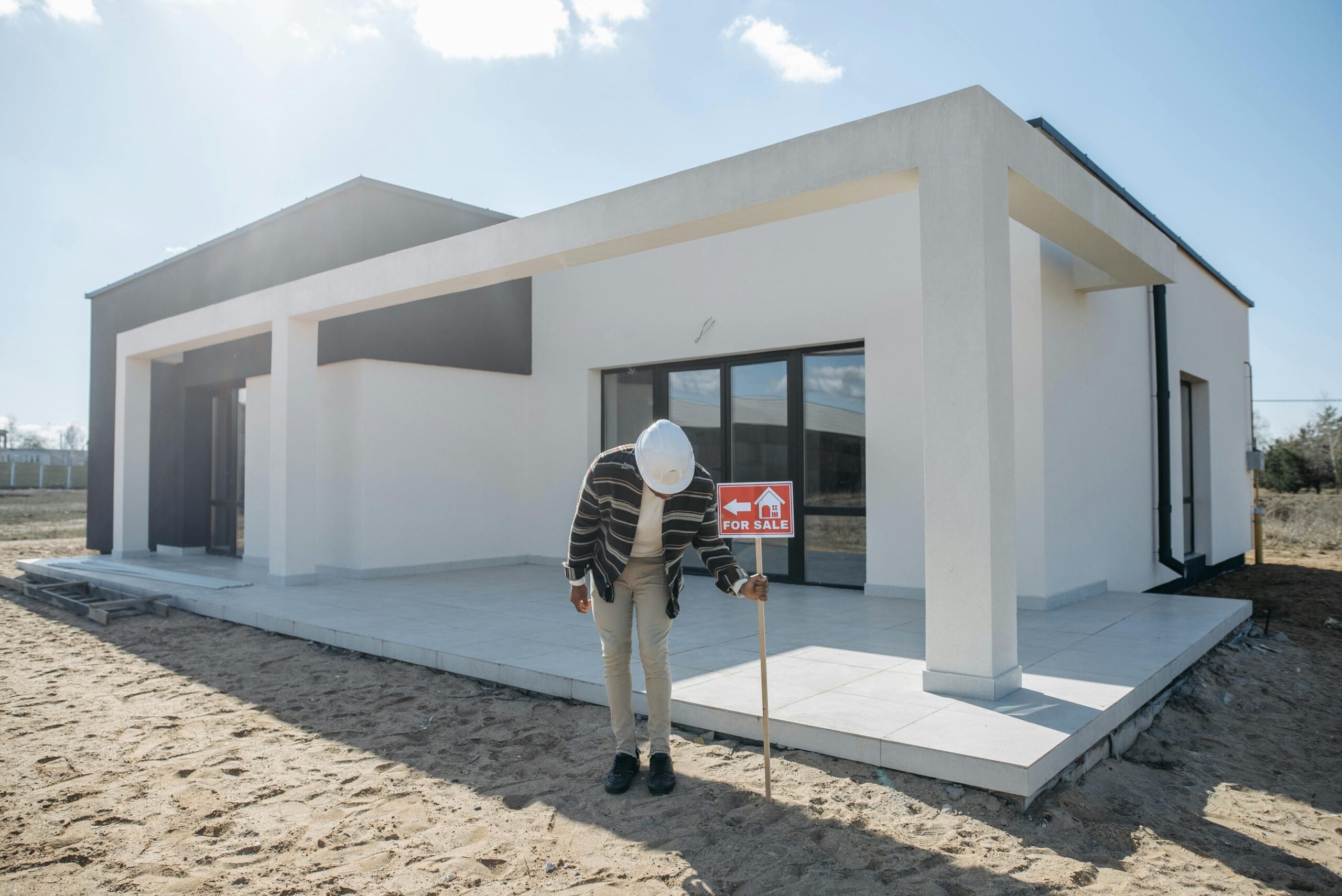
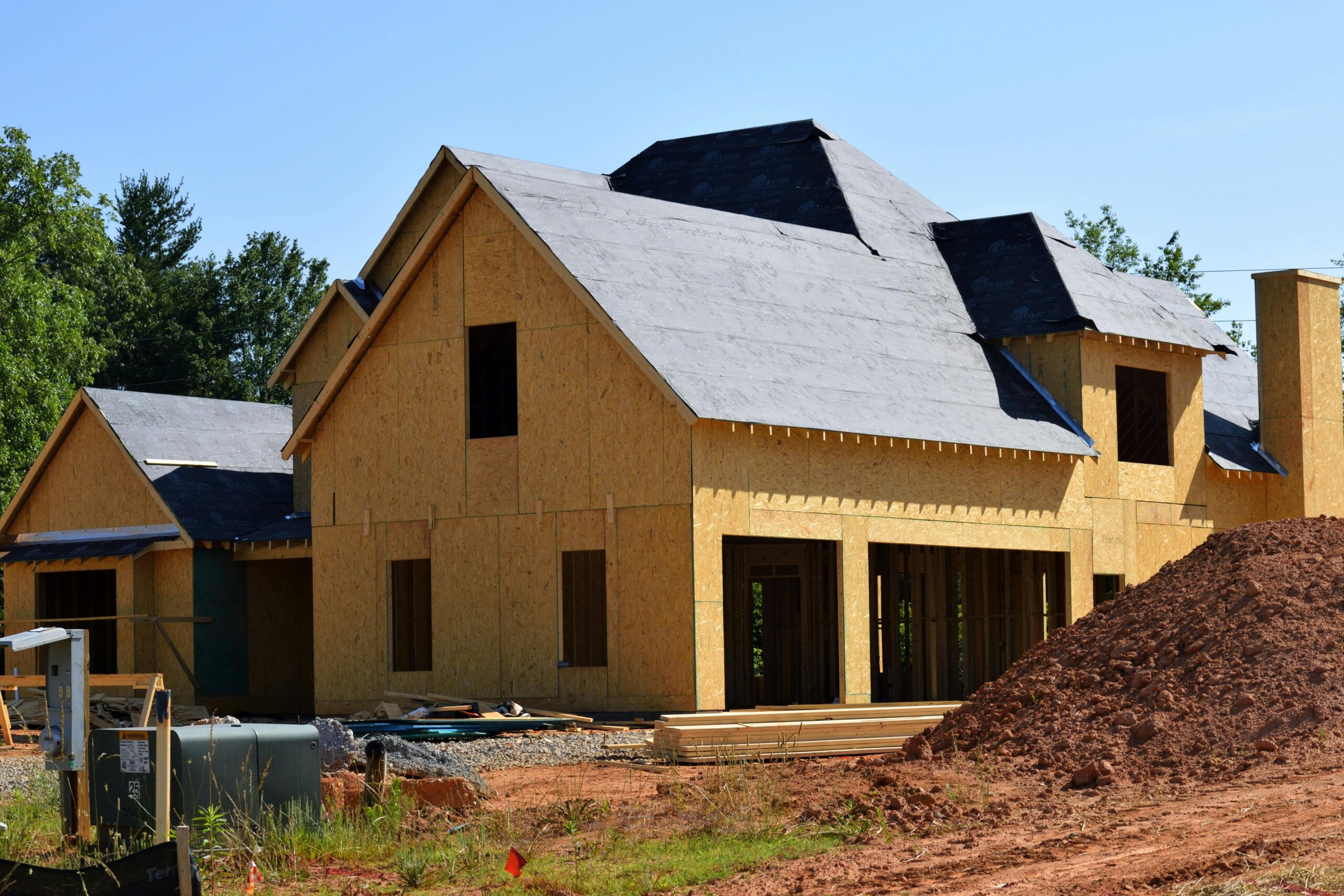

The real estate market is changing fast, and the builders who succeed in 2026 won’t be the ones swinging for the fences — they’ll be the ones who understand the landscape, pick their lane, and execute with discipline. This article provides guidance for those interested in real estate investing, especially as it relates to ground-up construction. Ground-up construction refers to the process where construction starts from an undeveloped parcel of land and ends with a new, ready-to-use structure. A ground up construction project is a comprehensive process that starts with a vacant or undeveloped site and ends with a fully finished structure, offering the flexibility to customize every aspect of the build. The process of ground-up construction consists of three core phases. Site preparation is the crucial initial phase, involving tasks such as obtaining permits, clearing the land, and preparing the site for foundational work, which sets a solid foundation for the subsequent construction stages and ensures regulatory compliance. Assembling a team of professionals, including architects, engineers, contractors, and subcontractors, is necessary for ground-up construction projects. At Nvestor Funding, we’ve helped thousands of investors scale through every market cycle, and the patterns are consistent: profitable builders think differently.
Whether you’re entering ground-up construction, scaling a spec-building operation, or exploring build-to-rent opportunities, long-term success comes down to strategy, not luck. Careful planning and management throughout the construction project are essential to ensure quality, compliance, and timely completion. Below are some of the most important lessons from seasoned investors — insights refined through decades of navigating both explosive markets and tough cycles.
Start Smart: Learn From Someone Who’s Already Winning
One of the fastest ways builders break into high-end development is by learning the ropes under an experienced operator.
Not through trial and error.
Not by jumping straight into multimillion-dollar projects.
The smart path looks like this:
-
Work under a successful builder
-
Learn their systems, vendors, and cost controls
-
Participate in successful projects to gain invaluable experience
-
Partner with them on your first few deals
-
Scale only once you’ve seen the full cycle firsthand
Builders who follow this model grow faster, make fewer costly mistakes, and develop a network before taking on risk alone.
In markets like Miami, this strategy has allowed some builders to level up from small projects to multi-million-dollar spec homes in neighborhoods like Coral Gables and Coconut Grove—where margins can reach seven figures if executed properly.
Creating a Business Plan That Survives Market Shifts
A solid business plan is the foundation of any successful real estate investment strategy, especially in a market that’s constantly evolving. For real estate investors tackling fix and flip projects, a comprehensive plan starts with a deep market analysis—understanding local trends, buyer demand, and the types of investment properties that offer the best potential.
Your business plan should clearly outline your target properties, set a realistic purchase price, and map out a detailed budget that includes repair costs, holding costs, and all other expenses. Effective project management is crucial: establish a project timeline with milestones for each phase of the renovation, and build in buffers for unexpected expenses that can eat into your profit margin.
Regularly reviewing and updating your business plan allows you to adapt to shifts in the real estate market, ensuring you stay ahead of competitors and maintain a healthy profit margin. By approaching each fix and flip with a comprehensive plan and disciplined execution, real estate investors can maximize returns and build a resilient portfolio, no matter how the market changes.
Yes, Real Estate Is Location-Based — But Not How Most Think
Every investor knows “location matters,” but the nuance is what truly separates professionals from gamblers.
Here’s the truth:
-
Luxury markets require huge capital, but offer massive profit potential. When evaluating these opportunities, always compare properties within the same area to ensure accurate assessments of potential returns.
-
Affordable housing areas require far less capital, but margins are tighter — though still very real. Again, using comps from the same area is crucial for realistic projections.
-
Mid-market neighborhoods are often the riskiest, with unpredictable swings and thinner profits. Accurate comparisons in the same area help mitigate valuation errors.
Your lane should match your liquidity, risk tolerance, and experience.
Someone putting $4M into a prime-market teardown expects to make $1M+. Someone putting $150K into an affordable housing rehab may make $150K–$200K.
Both strategies work — as long as the capital and risk make sense. Ensuring your bid or offer makes sense means it aligns with current market realities and your specific investment goals. However, market conditions in each neighborhood can significantly impact both profitability and risk, so always factor in current demand and economic trends.
Building a Network: The Builder’s Secret Weapon in 2026
In 2026, the most successful real estate investors will be those who invest in relationships as much as properties. Building a strong network of competent contractors, real estate agents, and industry experts is essential for navigating the complexities of fix and flip projects. These connections provide invaluable insights into market trends, help you spot new investment opportunities, and streamline the entire process from acquisition to sale.
Cultivating relationships with reliable partners—such as contractors and suppliers—ensures your projects are completed on time and within budget. A proven track record of successful collaborations can also open doors to better financing options and lower costs, directly boosting your profit margins.
Staying connected with your network keeps you informed about local building codes, zoning laws, and regulatory changes that could impact your projects. In a fast-moving real estate market, having the right people in your corner is the ultimate advantage for any real estate investor looking to scale their fix and flip business.
Build-to-Rent Works… If You Choose the Right Markets
Build-to-rent (BTR) is one of the hottest strategies going into 2026, but it’s not universally profitable. The numbers must pencil out.
Successful BTR operators:
Keep construction costs low enough that rents comfortably cover the note
Monitor interest rates to ensure financing costs remain manageable
Choose markets with strong rental demand and low supply
Prefer affordable housing over mid-market suburbs
Understand the operational challenges: turnover, crime, and tenant management
BTR is excellent when executed in the right neighborhoods — especially areas with projected population growth, new employers, or revitalization plans. It’s crucial to budget for the entire project, including acquisition, construction, and ongoing management, to avoid financial shortfalls.
Fix and Flip: Why It Still Matters (and How to Win in 2026)
Even as the real estate industry evolves, fix and flip projects remain a cornerstone of a smart real estate investment strategy. The key to success lies in careful planning and a sharp eye for undervalued properties with strong potential for renovation and resale at a higher price. It’s essential to thoroughly assess a property’s potential to enhance its value and market appeal through renovations, as this evaluation is crucial for maximizing investment opportunities.
Start with a thorough market analysis to identify neighborhoods where demand is strong and comparable properties support your target after-repair value. Factor in all costs—property taxes, monthly expenses, and closing costs—to ensure your numbers make sense and your profit margin is protected.
By focusing on properties that can be transformed and sold quickly, real estate investors can minimize risk and maximize returns. Each successful project not only adds to your bottom line but also builds your reputation and portfolio, making you more attractive to traditional lenders and opening up new investment opportunities. In 2026, fix and flip remains a powerful way to grow your real estate business—if you approach it with discipline and insight.
After Repair Value: The Key Metric for Profitable Exits
In the world of fix and flip projects, After Repair Value (ARV) stands out as one of the most critical numbers in any real estate investment strategy. ARV is the estimated value of a property after all necessary repairs and renovations are complete. Real estate agents and savvy investors rely on this figure to determine whether a property is worth the initial investment and to map out a fix and flip strategy that delivers a healthy profit margin.
Calculating ARV involves a careful assessment of the property’s current condition, the scope and cost of necessary repairs, and a comparison to similar renovated properties in the same area. This process ensures that your projected resale price is realistic and grounded in actual market data. By accurately determining the ARV before you buy, you can avoid overpaying, set a clear renovation budget, and make informed decisions that protect your profit margin.
Ultimately, understanding and leveraging ARV allows real estate investors to maximize returns, minimize risk, and execute successful fix and flip projects that stand out in a competitive real estate market.
Luxury Ground Up Construction Project Development: Huge Returns Require Huge Discipline
The biggest profits in real estate almost always come from luxury development — but it’s not for everyone.
Luxury builders must:
Understand high-end buyers
Stay on top of premium finishes and custom trends
Manage strict timelines
Maintain large cash reserves
Be comfortable with multi-million-dollar exposure
Accurately calculate the initial purchase price to ensure project feasibility
Manage all critical factors, including market research, financial planning, renovation costs, and local market trends
The upside? A luxury buyer purchasing a $7M–$10M home almost always closes. The clientele is stable, predictable, and financially strong. Potential profits from successful luxury ground up construction projects can be substantial, making the risk worthwhile for disciplined builders.
But luxury builders who overextend themselves, take on too many projects at once, or underestimate costs can get wiped out quickly. Managing critical factors is essential to avoid costly mistakes. The winners build slow, steady, and strategically:
Do one project
Get paid
Then move to two
Then three
Scaling responsibly is the difference between thriving and drowning.
Mitigating Risks: How Smart Builders Protect Their Downside
Protecting your investment is just as important as chasing profits. Smart real estate investors know that risk mitigation is essential for the long-term success of any fix and flip project. Start by conducting thorough inspections to uncover potential issues with electrical systems, structural integrity, and safety standards—addressing these early can prevent costly repairs and legal issues later.
Always secure the necessary permits and ensure full compliance with local regulations and building codes. Environmental concerns and zoning laws should be reviewed before work begins to avoid project delays or fines. Maintaining a cash reserve is critical; it ensures you have enough money to cover unexpected expenses and keep the project moving forward.
By proactively managing risks and prioritizing compliance, real estate investors can safeguard their profit margin and ensure each fix and flip project is a step toward greater financial security and success.
Successful Builders Know Their Project Management Limits — and Play Within Them
One of the most underrated traits of profitable investors is understanding that capital is finite.
No matter how experienced you are, every builder has a limit. Every lender has a limit. Every market has a limit.
Smart builders:
Avoid stretching themselves too thin
Avoid putting all liquidity into one giant project
Diversify intelligently
Keep enough cash to survive delays or cost overruns
Focus on keeping costs under control to maintain financial stability
Resist the temptation to “go big” before they’re ready
Taking on too many projects at once increases risk, especially if the renovation process is not managed efficiently.
Real estate rewards discipline, not ego, and a strategic approach to investing is essential for long-term success.
Quality Control: Building Excellence Into Every Project
Quality control is the backbone of any successful construction project, whether you’re tackling a ground up build or a series of fix and flip projects. For real estate investors, maintaining high standards throughout the entire project is non-negotiable if you want to significantly enhance property value and attract serious potential buyers.
Effective project management is the key to quality control. This means setting clear expectations with contractors, conducting regular site inspections, and addressing issues as soon as they arise. By keeping a close eye on workmanship and materials, you can prevent costly mistakes, minimize unexpected expenses, and ensure that every detail meets your standards.
A commitment to quality not only protects your investment but also builds your reputation as a reliable partner in the real estate industry. When buyers see that a property has been renovated with care and attention to detail, they’re more likely to pay a premium—and recommend you to others. In the end, quality control isn’t just about avoiding problems; it’s about delivering excellence that drives long-term success.
Safety Protocols: Protecting People and Profits on Site
Safety protocols are a non-negotiable part of every construction project, and their importance only grows as you scale your real estate investment business. Adhering to local building codes and regulations is essential—not just for compliance, but for protecting everyone on site and safeguarding your bottom line.
Real estate investors must ensure that contractors and workers follow strict safety measures, including the use of personal protective equipment, clear signage, and regular safety training. Conducting routine site inspections helps identify and address hazards before they become costly legal issues or cause project delays.
Prioritizing safety isn’t just about avoiding fines or lawsuits; it’s about maintaining a positive reputation in the real estate industry and ensuring that your projects run smoothly from start to finish. By making safety a core part of your project management approach, you protect your people, your profits, and your future opportunities.
Environmental Considerations: Building for a Sustainable Future
Sustainability is no longer a buzzword—it’s a necessity in today’s real estate industry, especially for ground up construction projects. Real estate investors who prioritize environmental considerations are not only complying with local regulations and zoning laws, but also positioning their properties to appeal to a growing segment of eco-conscious buyers.
This means integrating energy-efficient systems, choosing sustainable building materials, and minimizing construction waste wherever possible. These choices can reduce monthly expenses for future owners and increase the overall value of the property. Staying ahead of environmental standards also helps investors avoid costly retrofits or compliance issues down the line.
By building for a sustainable future, you demonstrate leadership in the market, attract higher-quality tenants or buyers, and contribute to a healthier community—all while strengthening your real estate investment portfolio.
Permitting and Regulations: Navigating the Red Tape in 2026
Permitting and regulatory compliance are critical factors that can make or break a construction project, especially in the fast-evolving landscape of 2026. For real estate investors, securing the necessary permits and understanding local regulations, zoning laws, and property taxes is essential to avoid legal issues and costly project delays.
Staying informed about market trends and regulatory changes allows you to anticipate challenges and budget accordingly. Navigating the red tape efficiently ensures that your fix and flip projects and ground up builds progress smoothly, stay within budget, and meet all safety and quality standards required by law.
Effective project management includes building relationships with local officials and staying proactive about compliance. By mastering the permitting process, you protect your investment, maintain a competitive edge, and deliver properties that meet or exceed buyer expectations in a dynamic real estate market.
Focusing on Customer Satisfaction for Repeat Success
In the competitive world of real estate, customer satisfaction is the secret ingredient to long-term success. Real estate investors who prioritize the entire process—from understanding buyer preferences to delivering exceptional quality control—set themselves apart as reliable and competent house flippers.
Enhancing a property’s potential through thoughtful renovations and attention to detail allows you to command a higher price and attract discerning buyers. Providing excellent customer service throughout the transaction builds trust and encourages referrals, turning satisfied clients into repeat customers.
By focusing on delivering value and exceeding expectations, real estate investors can significantly enhance their reputation, unlock new investment opportunities, and create a steady pipeline of profitable projects. In 2026 and beyond, a commitment to customer satisfaction is what transforms a good house flipper into a market leader.
2026 Will Reward Builders Who Use a Real Estate Investment Strategy — Not Reckless Tactics
The opportunities next year will be massive — but not evenly distributed. The builders who will thrive in 2026 will be the ones who:
Study their markets
Align their strategy with their capital and experience
Focus on successful house flipping by following a proven fix and flip strategy
Choose either affordable housing or luxury — but rarely the unstable middle
Build slow, smart, and intentionally
Use leverage strategically
Partner with lenders who understand real estate from a builder’s perspective
Strategic alignment is crucial, especially as flipping houses and house flipping require careful planning and market analysis to maximize returns.
When considering value-add strategies, it’s important to evaluate a property’s potential and make improvements that significantly increase its value.
During project execution, identifying necessary repairs and addressing issues that require immediate attention will ensure safety and protect your investment.
Ultimately, the end goal is to appeal to potential buyers through quality renovations and effective marketing.
And that’s exactly where Nvestor Funding comes in.
Why Builders Choose Nvestor Funding
We lend from the lens of real investors — because our leadership has lived it for 35+ years.
Our financing is designed to support the exact strategies discussed above:
Ground-up construction loans
Fix & flip loans
Bridge loans
Build-to-rent financing
DSCR loans for long-term rentals
We understand the timelines, risks, and cash-flow realities of real projects — not just spreadsheets.
If you’re planning to build smarter in 2026, we’re the partner you want in your corne